 En
En 

Conas a Fheabhsaíonn Criosanna Tionscail agus Córais Chreasa Sioncrónach Éifeachtúlacht Tarchurtha
In innealra tionscail nua-aimseartha, criosanna tionsclaíocha ról ríthábhachtach a bheith acu i dtarchur cumhachta, rialú luais, agus tairiscint shioncrónaithe. Bíonn tionscail ar nós déantúsaíocht, pacáistiú, uathoibriú, lóistíocht, próiseáil bia, táirgeadh teicstíle, agus láimhseáil ábhair ag brath go mór ar chórais tarchurtha éifeachtúla. De réir mar a leanann ceanglais feidhmíochta trealaimh ag méadú, tiomáint crios , criosanna tiomána tionscail , crios sioncrónach , agus crios tarchurtha tá réitigh ina gcomhpháirteanna riachtanacha chun éifeachtúlacht oibriúcháin agus iontaofacht trealaimh a chothabháil.
An Tábhacht a bhaineann le Criosanna Tionscail i dTrealamh Tionsclaíoch
Criosanna tionsclaíocha atá deartha chun cumhacht a aistriú idir seaftaí rothlacha agus oibriú rianúil agus cobhsaí á chothabháil. I gcomparáid le córais tarchurtha dochta, soláthraíonn criosanna tionsclaíocha solúbthacht, ionsú creathadh, leibhéil torainn níos ísle, agus riachtanais chothabhála laghdaithe.
Úsáideann go leor feidhmeanna tionsclaíocha criosanna tionsclaíocha chun feidhmíocht meaisín a fheabhsú agus caitheamh meicniúil a laghdú. Mar gheall ar a gcumas freastal ar achair fhada láir agus coinníollacha ualaigh éagsúla, tá siad oiriúnach do raon leathan trealaimh.
I measc na n-iarratas coitianta tá:
- Línte táirgeachta uathoibrithe
- Innealra pacáistithe
- Trealamh priontála
- Innealra adhmadóireachta
- Meaisíní teicstíle
- Córais iompair
- Trealamh próiseála bia
- Innealra cógaisíochta
Is minic a roghnaíonn innealtóirí trealaimh cineálacha éagsúla criosanna tionsclaíocha de réir luas oibriúcháin, riachtanais chasmhóiminte, saintréithe ualaigh, agus coinníollacha comhshaoil.
Prionsabail Oibre na gCóras Tiomántáin Chreasa
A tiomáint crios tarchuireann an córas cumhacht meicniúil trí chrios a oibríonn idir dhá ulóg nó níos mó. Ag brath ar an dearadh, tarlaíonn aistriú cumhachta trí fhrithchuimilt nó trí rannpháirtíocht dhearfach.
I measc na bpríomhchodanna de chóras tiomána crios tá:
| Comhpháirt | Feidhm |
| Pulley Tiomána | Soláthraíonn cumhacht ionchuir |
| Pulley Tiomáinte | Faigheann cumhacht aschuir |
| Crios | Aistrítear fuinneamh meicniúil |
| Gléas Teannaithe | Coinníonn teannas crios ceart |
| Struchtúr Tacaíochta | Cinntíonn oibriú cobhsaí |
Nuair a rothlaíonn an ulóg tiomána, bogann an crios feadh na dromchlaí ulóige agus aistríonn sé cumhacht chuig an ulóg tiomáinte. Cuireann an meicníocht seo ar chumas tarchur cumhachta éifeachtach ar fud feidhmeanna tionsclaíocha éagsúla.
Áirítear ar na buntáistí a bhaineann le córais crios-tiomáinte:
- Struchtúr meicniúil simplí
- Suiteáil agus cothabháil éasca
- Torann oibriúcháin íseal
- Cumas taise creathadh den scoth
- Oiriúnach d'achar lárionad fada
- Oibriú cost-éifeachtach
Is minic a úsáideann feidhmchláir a éilíonn cruinneas ard suímh a crios sioncrónach in ionad córais crios traidisiúnta cuimilte-tiomáinte.
Príomhchatagóirí Criosanna Tiomána Tionscail
Criosanna tiomána tionscail ar fáil i roinnt dearaí, gach ceann acu optamaithe le haghaidh coinníollacha oibriúcháin sonracha.
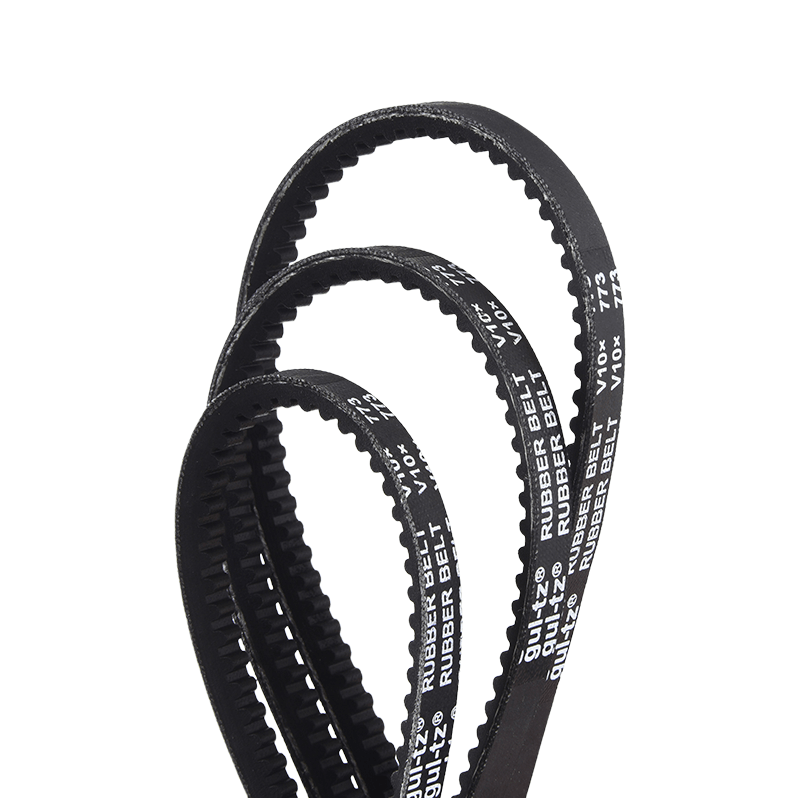
V-Criosanna
Úsáideann criosanna tiomána tionsclaíocha V-chruthach gníomh ding laistigh d'grooves ulóige chun cumhacht a tharchur trí fhrithchuimilt.
I measc na bpríomhthréithe tá:
- Cumas tarchurtha ardchumhachta
- Feidhmíocht mhaith frith-duillín
- Raon feidhme leathan
- Costais oibriúcháin eacnamaíocha
I measc na n-iarratas coitianta tá:
- Lucht leanúna
- Comhbhrúiteoirí aeir
- Caidéil uisce
- Innealra talmhaíochta
Criosanna iomaireach
Comhcheanglaíonn criosanna tiomána tionsclaíocha iomaireach solúbthacht criosanna comhréidh le greim criosanna V.
Áirítear ar na buntáistí:
- Solúbthacht ard
- Tarchur cumhachta éifeachtach
- Oiriúnach do trastomhais ulóige beag
- Oibriú réidh ag luasanna arda
Criosanna Maol
Tá criosanna tiomána tionsclaíocha cothrom deartha le haghaidh feidhmchláir ardluais a éilíonn oibriú rianúil.
I measc na ngnéithe tá:
- Cumas ardluais
- Feidhmíocht chobhsaí
- Leibhéil íseal creathadh
I measc na n-iarratas tipiciúla tá trealamh priontála, innealra teicstíle, agus córais iompair.
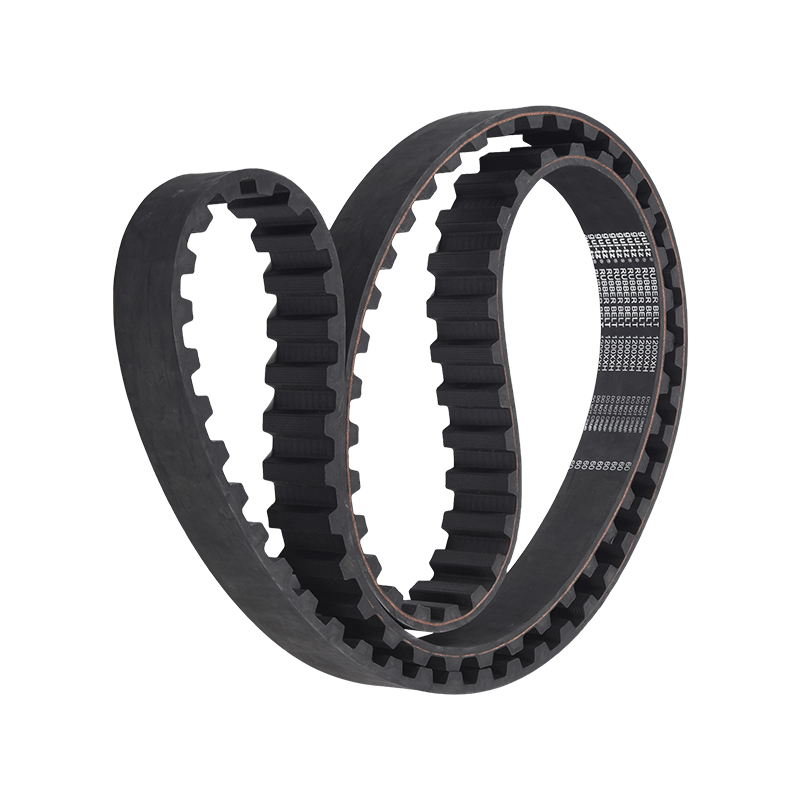
Crios Sioncrónach
A crios sioncrónach baintear úsáid as fiacla beachta-mhúnlaithe a théann i ngleic go díreach le himeall meaitseála ulóige. Cuireann an rannpháirtíocht dhearfach seo deireadh le sciorradh agus cinntíonn sé aistriú gluaisne cruinn.
I measc na mbuntáistí móra tá:
- Gan aon sciorradh le linn oibríochta
- Cóimheas tarchurtha beacht
- Cruinneas suite ard
- Éifeachtúlacht tarchurtha den scoth
Braitheann córais uathoibrithe go minic ar theicneolaíocht crios sioncrónach chun rialú tairiscint comhsheasmhach agus in-athdhéanta a bhaint amach.
Buntáistí Teicniúla Córais Chreasa Sioncrónach
Tá méadú suntasach tagtha ar an éileamh atá ag méadú ar uathoibriú beachtas ar úsáid na crios sioncrónach córais in feidhmeanna tionsclaíochta.
traidisiúnta crios tarchurtha bíonn dearaí ag brath ar fhrithchuimilt idir na dromchlaí crios agus ulóg. Faoi choinníollacha áirithe, d'fhéadfadh sleamhnú tarlú, ag laghdú éifeachtacht agus cruinneas suite.
Cuireann crios sioncrónach deireadh leis an tsaincheist seo trí rannpháirtíocht dhearfach fiacail, ag cinntiú cóimheas tarchurtha leanúnach ar fud na hoibríochta.
| Paraiméadar | Crios Sioncrónach | traidisiúnta Transmission Belt |
| Sciorrtha | Níl | Is féidir |
| Cruinneas Tarchuir | Ard | Measartha |
| Cumas Suímh | Ar fheabhas | Caighdeán |
| Éifeachtúlacht | 95% - 98% | 90% - 95% |
| Minicíocht Cothabhála | Íochtarach | Arder |
| Feidhmíocht Sioncrónaithe | Ar fheabhas | Measartha |
Baineann iarratais ar nós trealamh CNC, córais robotic, línte cóimeála uathoibrithe, agus trealamh déantúsaíochta cruinneas go mór leas as teicneolaíocht crios sioncrónach.
Príomhfhachtóirí Agus Crios Tarchuir á Roghnú
Roghnú an ceart crios tarchurtha riachtanach chun feidhmíocht trealaimh agus saol seirbhíse a uasmhéadú.
Ceanglais Chumhachta
Caithfidh an crios a bheith in ann an t-ualach oibriúcháin agus an t-aschur cumhachta riachtanach a láimhseáil.
D’fhéadfadh crios tarchurtha róbheag a bheith mar thoradh ar na nithe seo a leanas:
- Caitheamh iomarcach
- Sciorrtha
- Teocht oibriúcháin méadaithe
- Saol seirbhíse laghdaithe
Luas Oibriúcháin
Tá dearadh criosanna tarchurtha éagsúla optamaithe le haghaidh raonta luais ar leith.
Ní mór breithniú a dhéanamh ar iarratais ardluais:
- Éifeachtaí fórsa lártheifeacha
- Cothromaíocht dinimiciúil
- Cumas diomailt teasa
Coinníollacha Comhshaoil
Is féidir le timpeallachtaí oibriúcháin tionsclaíocha tionchar suntasach a imirt ar fheidhmíocht crios.
I measc fachtóirí tábhachtacha tá:
- Raon teochta
- Leibhéil taise
- Nochtadh deannaigh
- Éilliú ola
- Riachtanais friotaíochta ceimiceacha
Bainistíocht Teannais
Tá teannas crios ceart ríthábhachtach chun oibriú tiomáint crios iontaofa a chothabháil.
Féadfaidh teannas iomarcach a bheith ina chúis le:
- Ualaí imthacaí méadaithe
- Ag dul in aois crios roimh am
D’fhéadfadh an méid seo a leanas a bheith mar thoradh ar theannas neamhleor
- Sciorrtha
- Éifeachtúlacht laghdaithe
- Leibhéil creathadh níos airde
Cuireann coigeartú teannas ceart go díreach le saol seirbhíse níos faide do chriosanna tiomána tionsclaíocha.
Teipeanna agus Réitigh Coiteann Criosanna Tionscail
Sciorradh Crios
I measc na gcúiseanna coitianta tá:
- Teannas neamhleor
- Ualach iomarcach
- Caitheamh ulóige
Gníomhartha ceartaitheacha a mholtar:
- Coigeartaigh teannas crios
- Fíoraigh coinníollacha ualaigh
- Athsholáthar ulóga caite
Caith Chreasa Neamhghnácha
I measc na gcúiseanna tipiciúla tá:
- Mí-ailíniú ulóige
- Earráidí suiteála
- Coinníollacha oibriúcháin truaillithe
Gníomhartha ceartaitheacha a mholtar:
- ulóga a athailíniú
- Feabhas a chur ar chruinneas suiteála
- Coinnigh glaineacht trealaimh
Torann Oibriúcháin Méadaithe
I measc na gcúiseanna féideartha tá:
- Teannas míchuí
- Ag dul in aois crios
- ulóga millte
Gníomhartha ceartaitheacha a mholtar:
- Coigeartaigh socruithe teannas
- Athsholáthar criosanna tiomána tionsclaíocha caite
- Iniúchadh a dhéanamh ar choinníollacha ulóige
Damáiste Fiacail i gCórais Chreasa Sioncrónach
Is gnách go mbíonn baint ag caitheamh nó cliseadh fiacail le:
- Ró-ualú
- Rannpháirtíocht ulóige míchuí
- Cur isteach ábhar eachtrach
Gníomhartha ceartaitheacha a mholtar:
- Laghdaigh an t-ualach oibriúcháin
- Ailíniú ceart ulóige
- Déan iniúchtaí gnáthaimh
Riachtanais Chothabhála do Chórais Tiomántáin Chreasa
Tá cothabháil rialta riachtanach chun iontaofacht fhadtéarmach na gcóras tiomána crios a chinntiú.
I measc na ngnáthnósanna imeachta iniúchta tá:
- Seiceáil le haghaidh scoilteanna dromchla
- Cigireacht a dhéanamh ar riocht fiacail ar chórais criosanna sioncrónacha
- Leibhéil teannais chuí á bhfíorú
- Monatóireacht a dhéanamh ar chaitheamh ulóige
- Ailíniú seafta a iniúchadh
- Monatóireacht a dhéanamh ar theocht oibriúcháin
Cuidíonn cleachtais chothabhála comhsheasmhacha le saol seirbhíse criosanna tionsclaíocha a leathnú, aga neamhfhónaimh trealaimh a laghdú, agus éifeachtacht tarchurtha iomlán a fheabhsú.
Braitheann innealra tionsclaíoch nua-aimseartha go mór ar theicneolaíochtaí tarchurtha cumhachta iontaofa. Leanann criosanna tionsclaíocha de bheith ina gcomhpháirteanna ríthábhachtacha i gcórais crios-tiomáinte thar go leor tionscail. Cibé an n-úsáidtear criosanna tiomána tionsclaíocha traidisiúnta le haghaidh tarchur cumhachta ginearálta nó chun réitigh crios sioncrónacha a chur i bhfeidhm le haghaidh rialú beachtas tairiscint, roghnú crios cuí, suiteáil chruinn, agus cothabháil éifeachtach fós riachtanach chun feidhmíocht chobhsaí, éifeachtúlacht fheabhsaithe agus iontaofacht oibriúcháin fhadtéarmach a bhaint amach.
Táirgí te
-
 Féach ar Tuilleadh
-
 Féach ar Tuilleadh
V-crios don Tionscal
-
 Féach ar Tuilleadh
T Cineál Tionscal Rubber Crios Sioncrónach
-
 Féach ar Tuilleadh
Crios dingeacha fiaclacha
-
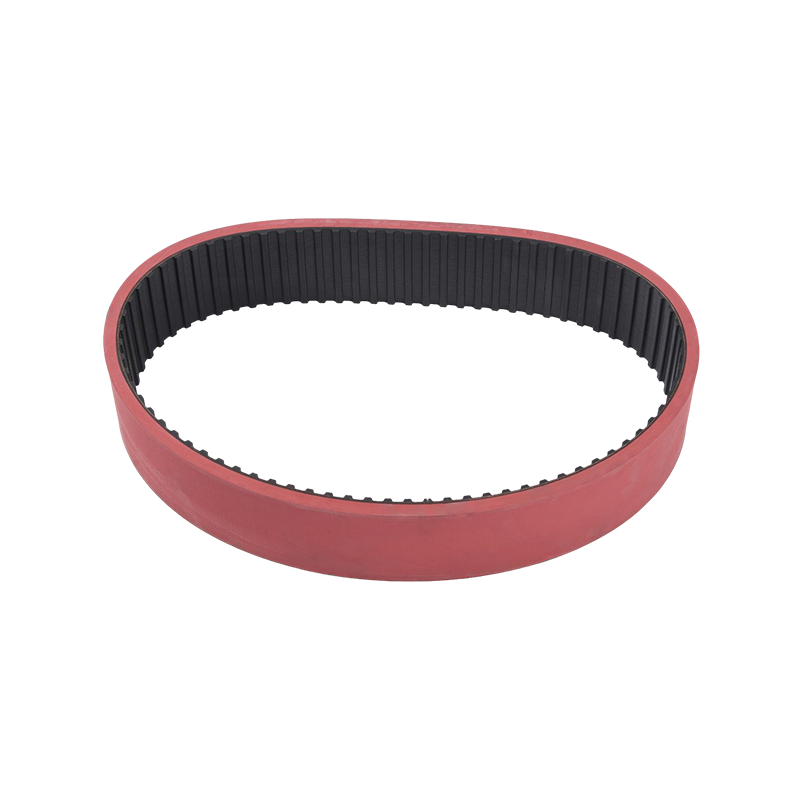 Féach ar Tuilleadh
Crios ama tiubhaithe
-
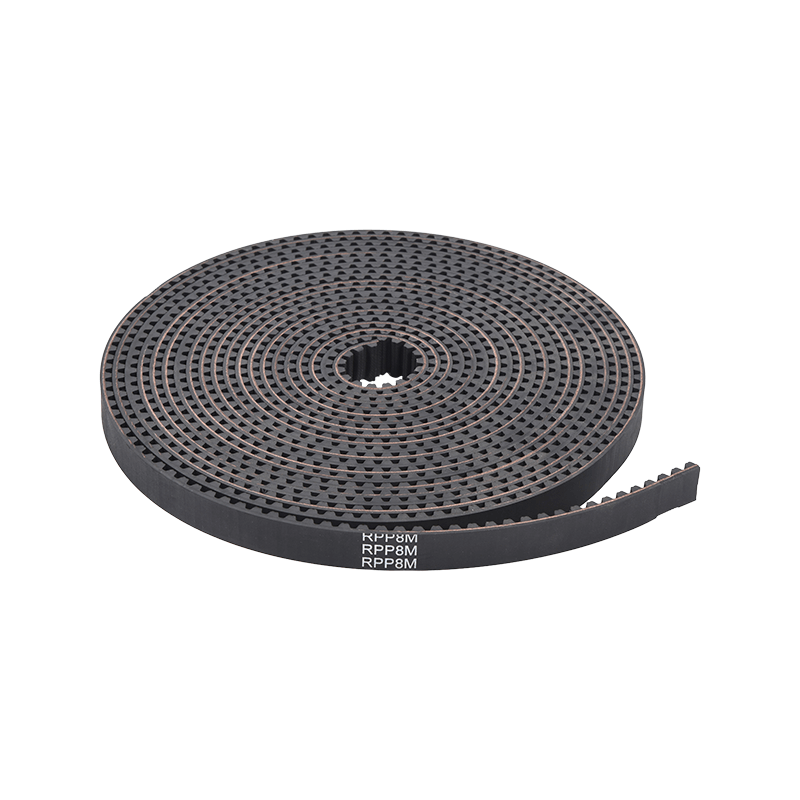 Féach ar Tuilleadh
Crios Ama Oscailte
-
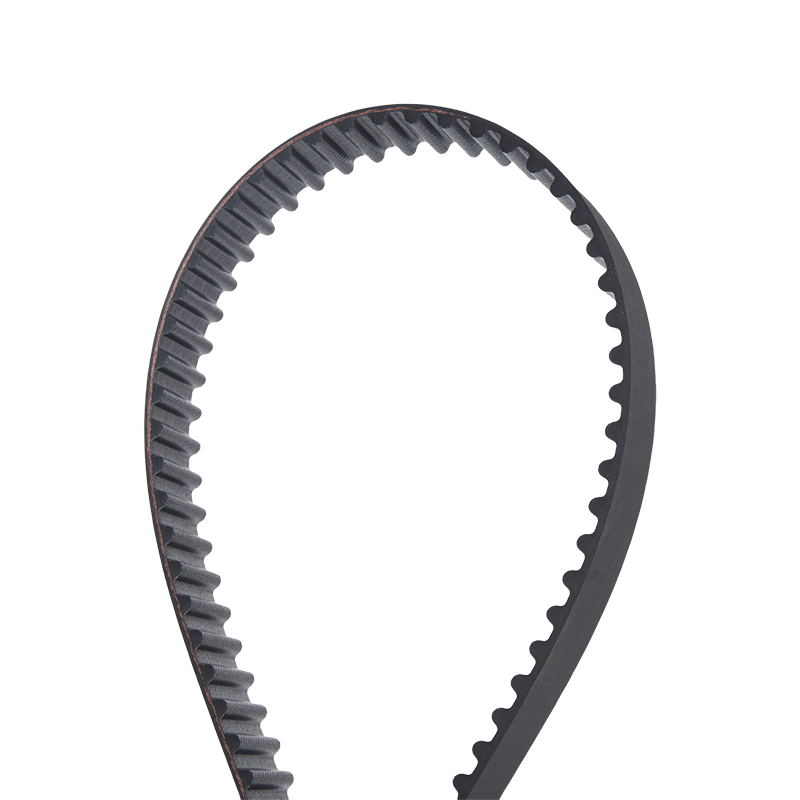 Féach ar Tuilleadh
V-crios feithicleach
-
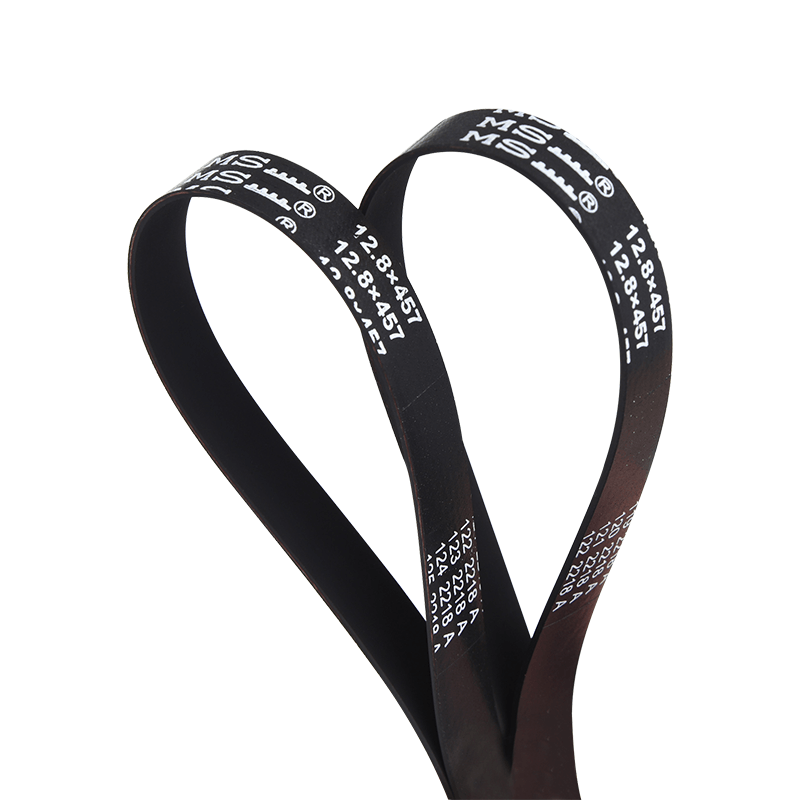 Féach ar Tuilleadh
Crios Maol Rubair
-
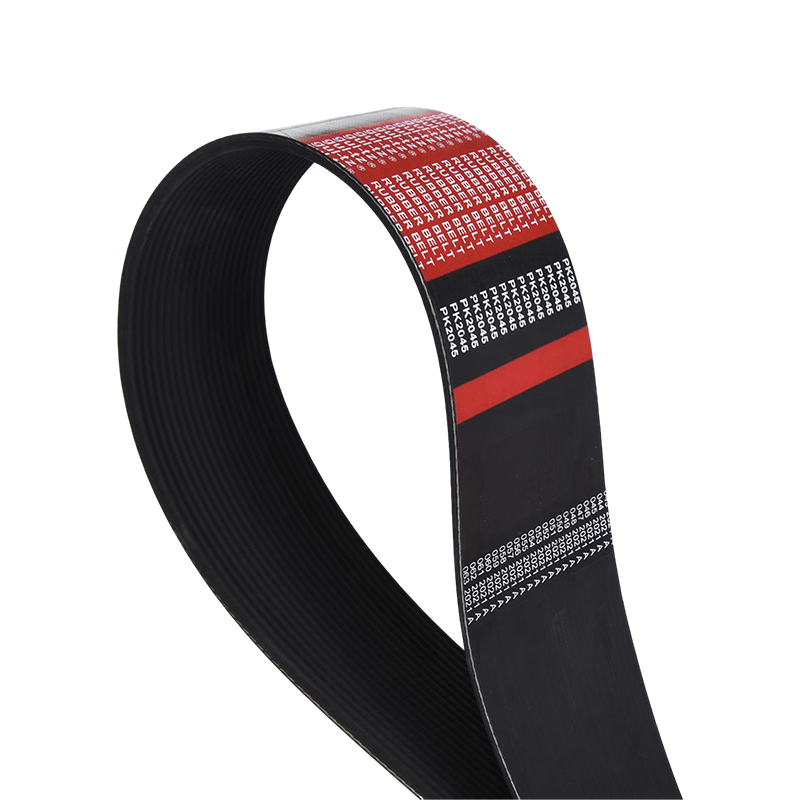 Féach ar Tuilleadh
Crios iomaireach
-
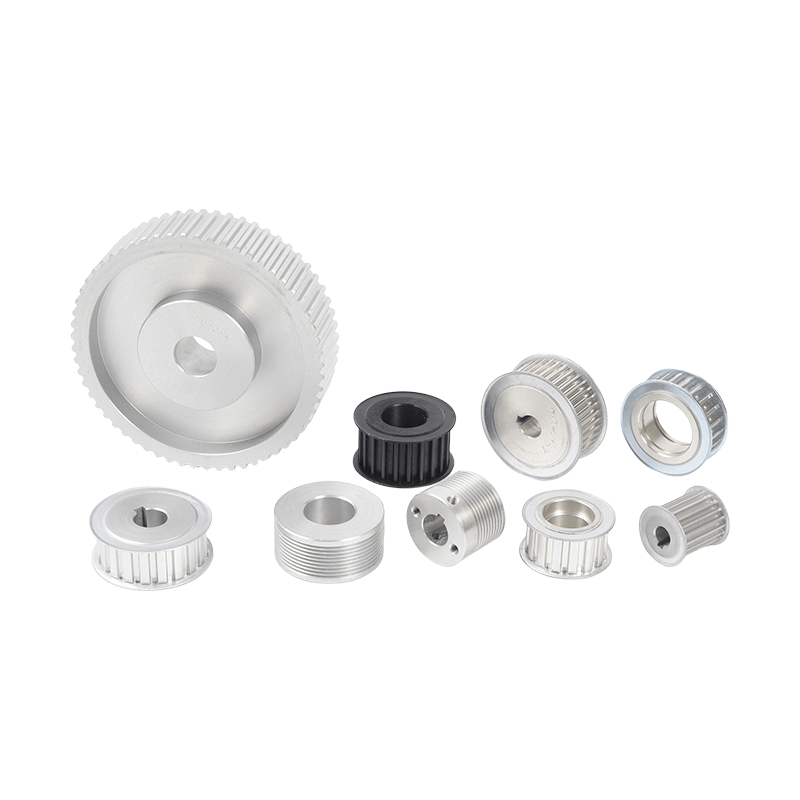 Féach ar Tuilleadh
Pulley Sioncrónach
-
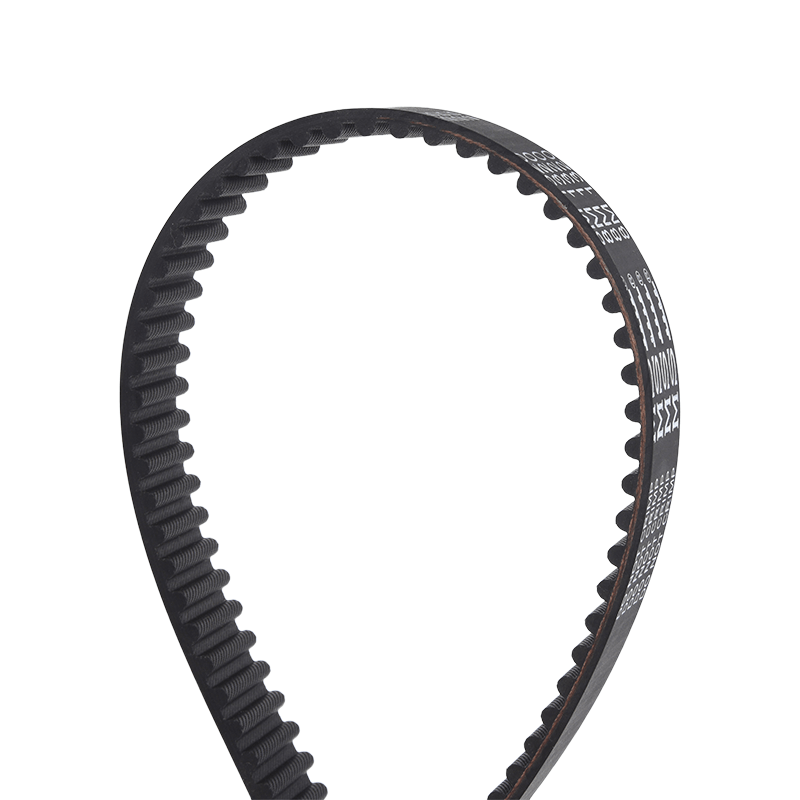 Féach ar Tuilleadh
Crios sioncrónach rubair tionsclaíoch fiacail stua
-
Féach ar Tuilleadh
Crios ama feithicleach

An bhfuil ceist agat? Thig leat teagmháil a dhéanamh!
 Tel: +86-0574-62498188 62497298
 Fax: +86-0574-62497297
 E-mail:
  Add: Uimh. 65, Bóthar Meán Jinniu, Baile Moushan, Cathair Yuyao, Cúige Zhejiang, an tSín
Copyright © Ningbo GUL TZ Rubber Belt Co., Ltd. All rights reserved.

